

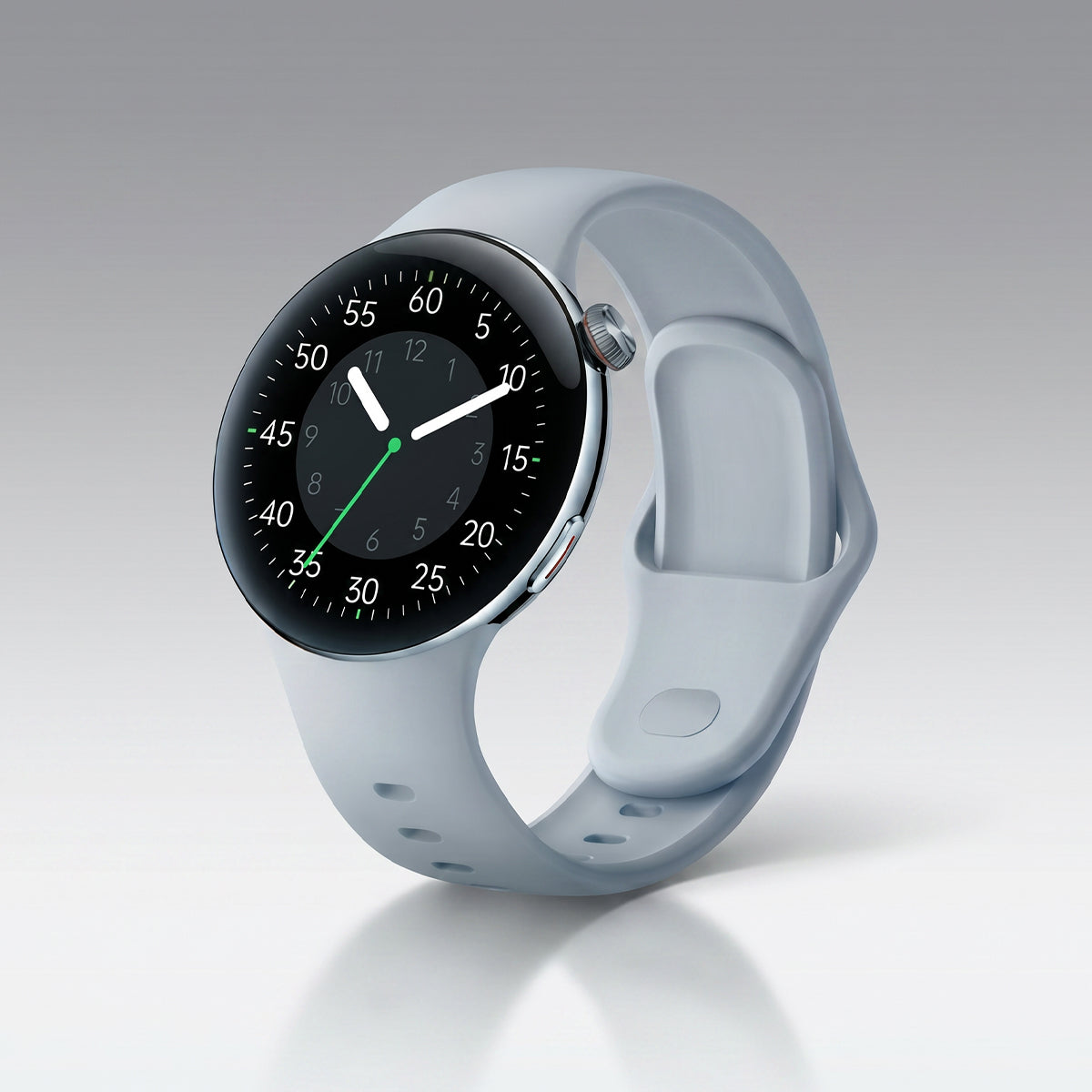
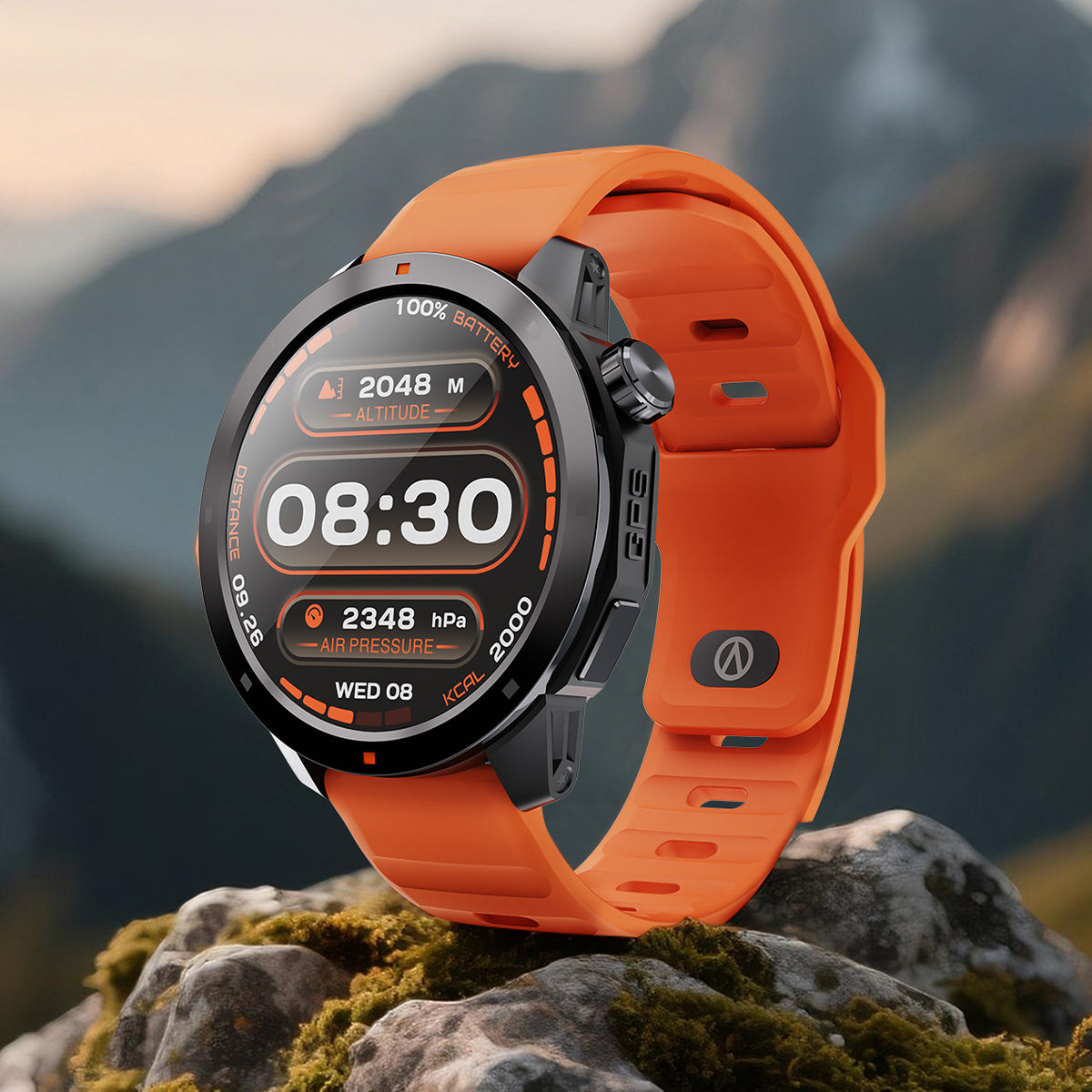




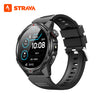
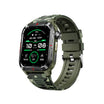

Short answer: Your watch is a trend tracker, not a medical device. A single weird reading means almost nothing — a pattern over weeks is what matters. Here's how to stop spiraling.
Why It Happens
Your watch shows numbers without context. Heart rate spikes when you stand up. SpO₂ dips when your hands are cold. HRV drops after a bad night. These aren't problems — they're biology. But without context, they feel alarming.
Strategy 1: Focus on Trends, Not Single Readings
One reading is noise. A week of readings is a signal.
Your resting heart rate might be 68 today and 74 tomorrow. Normal. But climbing for two weeks straight? Worth noting.
Open your weekly view. Look for direction, not digits. Ignore any single night or alert.
Strategy 2: Track Only 2–3 Metrics That Matter
Your watch tracks dozens of things. You don't need all of them.
-
Better sleep? Track sleep duration and resting heart rate.
-
Training for a race? Track pace, heart rate zones, recovery.
-
Managing a condition? Track what your doctor asked for.
-
Just want to move more? Track steps.
Hide the rest. Fewer numbers = fewer chances to worry about nothing.
Strategy 3: Stop Comparing Your Data to Others
Your friend's sleep score is 92. Yours is 71. So what?
Their baseline isn't yours. Age, genetics, medications, stress — all shape what "normal" looks like. Compare today's you to last month's you. That's the only comparison that matters.
Strategy 4: Take Regular Data Breaks
-
Daily: Glance at time and steps. Nothing else.
-
Weekly: 10 minutes reviewing trends. Then close the app.
-
Monthly: Look at the big picture. Adjust one habit.
-
Quarterly: Take a full week off. Don't open the app. See how you feel.
Most people realize they don't miss the data — they miss the reassurance they never needed.
Strategy 5: Know When to Relax vs. When to Call a Doctor
Relax if: One weird reading, you feel fine, it happened once.
Call a doctor if: Repeated alerts over days, SpO₂ below 90% across multiple nights, resting heart rate climbing steadily, or you feel symptoms — chest pain, dizziness, shortness of breath.
Golden rule: Feel fine + one odd reading = relax. Feel off + a persistent pattern = get it checked.
The Bottom Line
Track less. Check less. Compare less. Focus on trends, pick two or three metrics, take breaks. Your health is more than a number — and your peace of mind is worth more than any perfect sleep score. 😌


コメントを書く
このサイトはhCaptchaによって保護されており、hCaptchaプライバシーポリシーおよび利用規約が適用されます。