

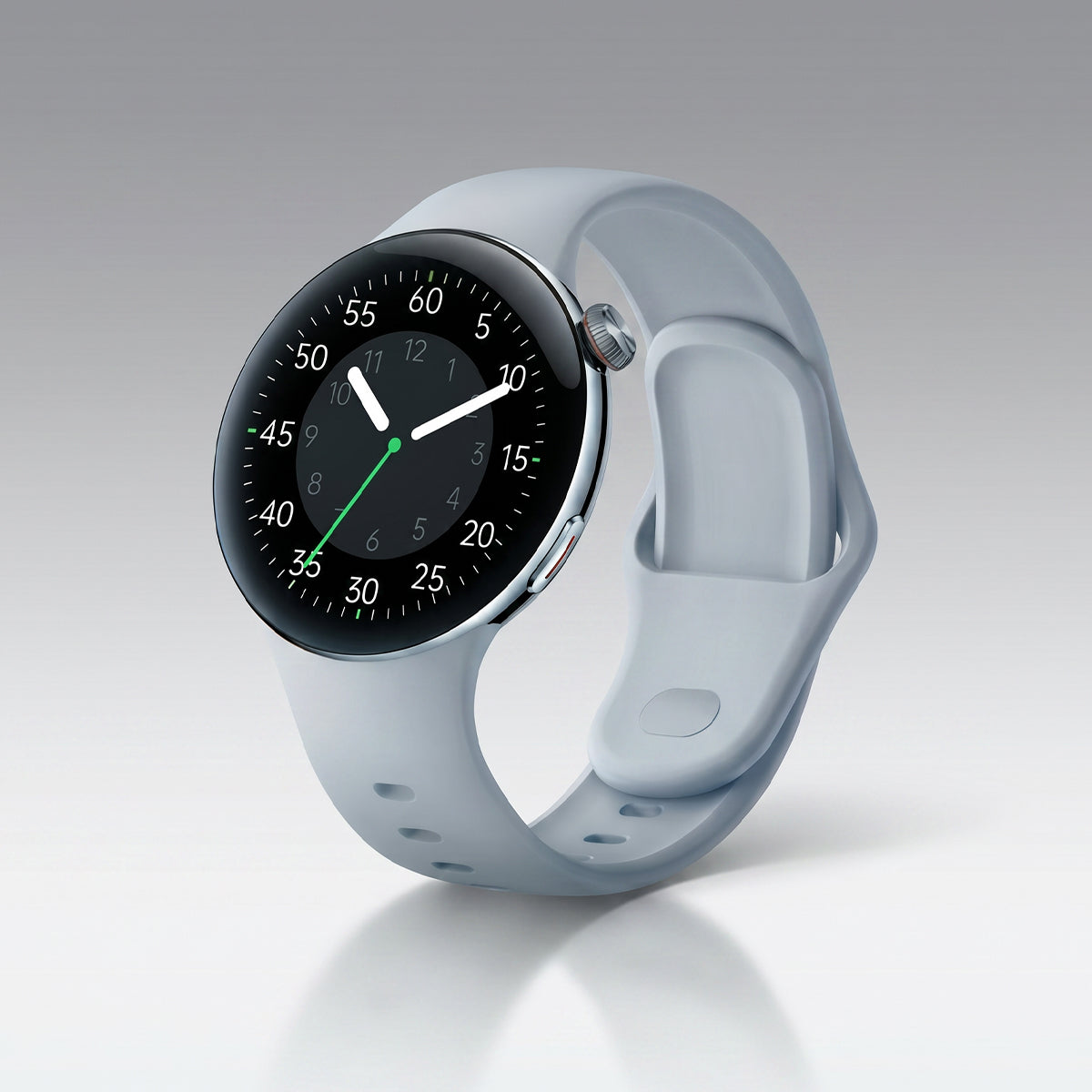
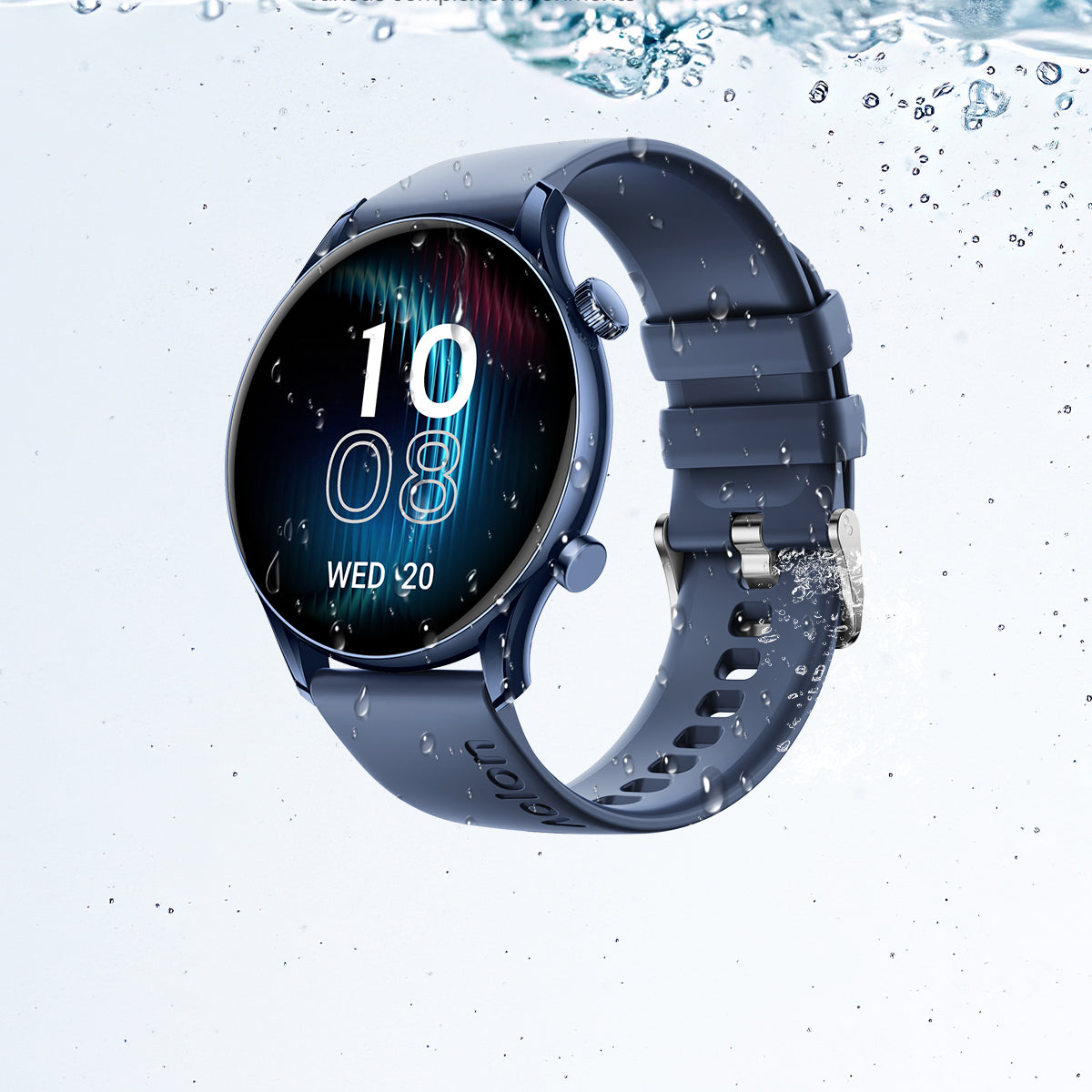
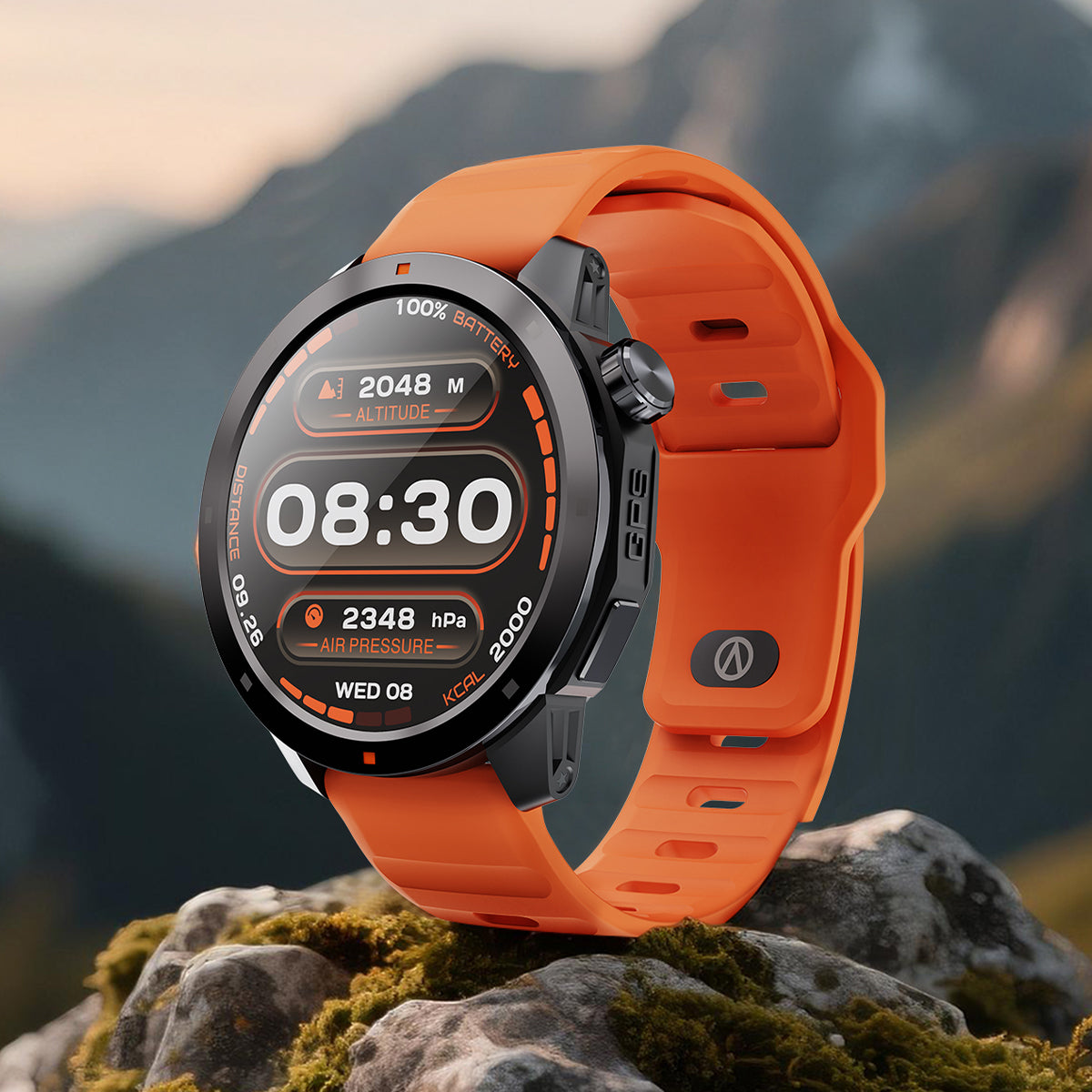

Short answer: Your smartwatch shines red and infrared light into your skin, measures how much each wavelength gets absorbed, and uses the ratio to estimate how much oxygen is riding on your red blood cells. It's clever, it's non-invasive, and it's not a medical measurement — especially when your oxygen drops below 90% or you're moving. Here's the full picture.
Why Blood Oxygen Matters
Every cell in your body needs oxygen. Your red blood cells are the delivery trucks — hemoglobin molecules grab oxygen in your lungs and drop it off everywhere else.
SpO₂ (peripheral oxygen saturation) is the percentage of those trucks that are fully loaded. Normal is 95–100%. Below 90% is a concern. Below 88% is when doctors start paying very close attention.
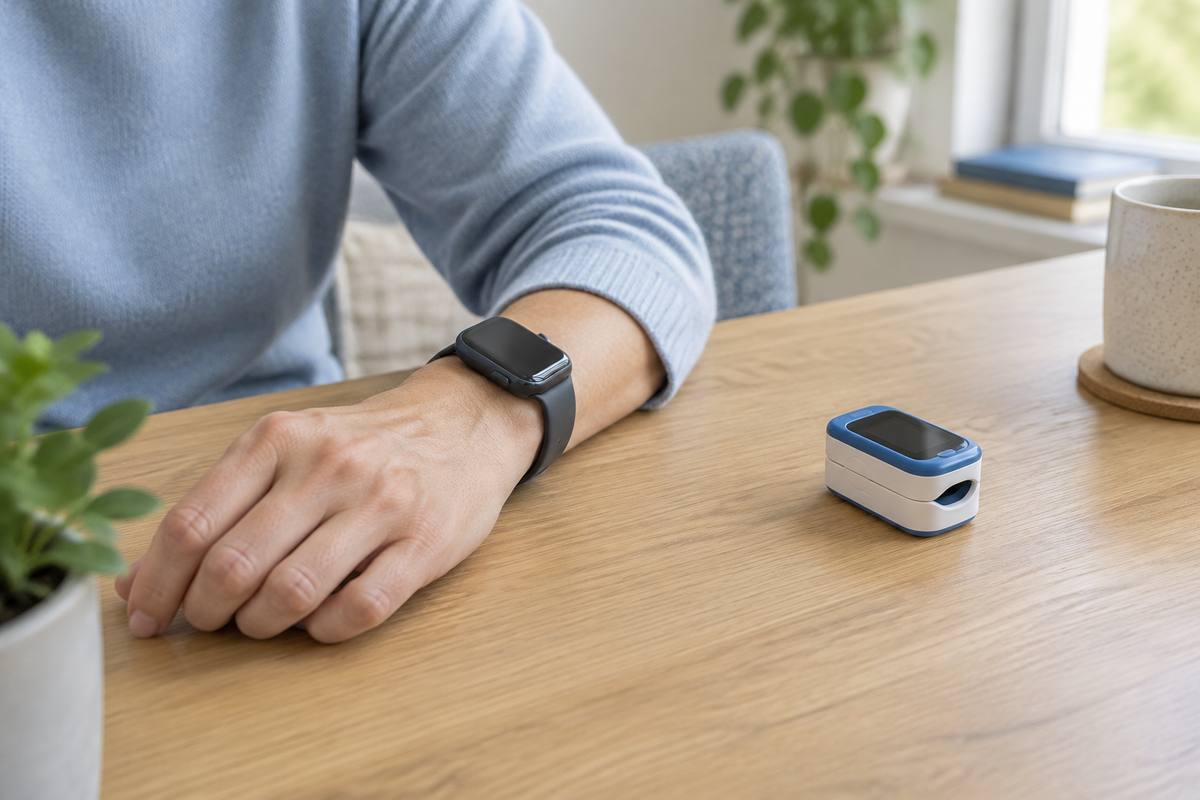
A traditional pulse oximeter — the clip on your finger at the doctor's office — measures this with two wavelengths of light. Your smartwatch does the same thing, just from your wrist. And that location change is where things get tricky.
Red Light, Infrared Light: How Hemoglobin "Chooses" to Absorb Different Wavelengths
Here's the core science, and it's genuinely elegant.
Hemoglobin absorbs light differently depending on whether it's carrying oxygen:
-
Oxygen-rich hemoglobin (HbO₂) absorbs more infrared light (around 940 nm)
-
Oxygen-poor hemoglobin (Hb) absorbs more red light (around 660 nm)
Neither wavelength is absorbed perfectly by the other. That difference is the signal.
Think of it like two buckets. One bucket (infrared) catches oxygenated blood. The other bucket (red) catches deoxygenated blood. By comparing how much light disappears into each bucket, you can calculate the ratio — and that ratio tells you the oxygen saturation.
A pulse oximeter does exactly this. So does your watch. The physics is the same.
How PPG Sensors Calculate Blood Oxygen Saturation
Your watch uses PPG (photoplethysmography) — the same technology that tracks your heart rate, just with more wavelengths.
Here's the sequence:
-
LEDs fire. Red and infrared light shine into your skin.
-
Light scatters and absorbs. Some is soaked up by blood, some by tissue, some by skin.
-
A photodetector catches what bounces back.
-
The watch separates the signal. It isolates the pulsing component — the part that changes with each heartbeat — from the static background.
-
It calculates the ratio. The ratio of red-to-infrared absorption in that pulsing signal is called the R ratio.
-
A calibration curve converts it. That R ratio maps to an SpO₂ percentage using a formula derived from studies on healthy volunteers.
The result: a number on your wrist. It looks simple. It isn't.
Why Your Watch's SpO₂ Reading Isn't a Medical Measurement
This is the part most people never hear.
1. The calibration is borrowed, not personal.
The formula that converts R ratio to SpO₂ was built from controlled studies — usually on healthy adults, in lab conditions, with perfect sensor contact. Your wrist is not a lab.
2. Wrist placement is a compromise.
Fingers have denser capillaries and thinner skin. Wrists have thicker skin, more bone, and more variation in blood flow. The signal is weaker and noisier. That's why hospital-grade pulse oximeters go on your finger, not your wrist.
3. It's not FDA-cleared for diagnosis.
Most smartwatch SpO₂ features are cleared for wellness tracking, not medical use. That means they can show you a number, but they can't tell you what it means for your health.
4. Accuracy drops sharply when it matters most.
At healthy oxygen levels (above 90%), agreement with clinical devices is moderate to good — Apple Watch showed a mean bias of just -0.04% in one study. But below 88% SpO₂ — the range that matters for detecting sleep apnea or respiratory issues — error climbs significantly. In one study, the Apple Watch's accuracy root mean square difference hit 5.82%, exceeding FDA thresholds for acceptable error.
Translation: your watch is fine when you're fine. When you're not fine, it's less reliable.
Factors That Affect Accuracy
Skin Tone
Melanin absorbs light — including the red and infrared wavelengths used for SpO₂. Darker skin tones can reduce signal quality and increase error. This isn't a small issue: a 2024 study found that wearable SpO₂ devices showed clinically significant bias in individuals with darker skin pigmentation. Some manufacturers have adjusted their algorithms, but the problem isn't fully solved industry-wide.
What to do: If you have darker skin, treat your readings as trends rather than absolutes, and cross-check with a finger oximeter when something seems off.
Movement
Motion is the enemy of PPG. Every shift, every step, every gesture introduces noise. That's why most watches only measure SpO₂ when you're still — often during sleep. If you try to take a reading mid-workout, expect garbage.
Wearing Position and Fit
-
Too loose? Light leaks out, signal gets noisy.
-
Too tight? Blood flow gets restricted, readings skew low.
-
On the wrist bone? Poor contact.
-
On a hairy arm? Hair blocks and scatters light.
The sweet spot: snug, above the wrist bone, flat against the skin.
Temperature and Circulation
Cold hands? Constricted blood vessels. Poor circulation? Weak signal. Raynaud's, anemia, or low blood pressure? All can throw off readings.
Nail Polish and Tattoos
Not relevant for wrist sensors, but worth noting: tattoos over the sensor area block light. So does heavy scarring.
When to Trust the Reading and When to Use a Medical Oximeter
Trust it for:
-
Spotting trends over time — "my overnight SpO₂ has been lower this week"
-
General awareness — "my oxygen looks normal tonight"
-
Sleep tracking context — combined with heart rate and breathing rate
Don't trust it for:
-
Diagnosing sleep apnea
-
Deciding whether you need emergency care
-
Monitoring a known lung condition
-
Any situation where the number would change what you do
Use a medical oximeter when:
-
Your watch shows SpO₂ below 90% consistently
-
You feel short of breath, dizzy, or confused
-
You're recovering from COVID, surgery, or a respiratory illness
-
Your doctor has asked you to monitor your oxygen
A fingertip pulse oximeter costs $20–$40 and is far more accurate than any wrist-based sensor. If oxygen levels matter to your health, own one.
How to Get the Best Readings from Your Watch
-
Sit still. Don't move your arm. Rest it on a table.
-
Wear it snug. Not tight, not loose. Flat against the skin.
-
Measure at the same time daily. Overnight readings are most consistent.
-
Warm your hands first. Cold skin = poor signal.
-
Compare to your baseline. A single 93% means nothing. A week of 93% when you usually sit at 97% means something.
-
Cross-check with a finger oximeter if anything looks alarming.
The Bottom Line
Your smartwatch measures blood oxygen by shining red and infrared light into your skin and reading how much gets absorbed. The physics is real. The technology is clever. But the wrist is a compromise, and the calibration isn't built for your body — it's borrowed from lab studies and adjusted with algorithms.
Use it for trends. Use it for awareness. Don't use it for diagnosis.
And if your oxygen levels genuinely matter — because of a health condition, a recovery, or a concern — buy a fingertip oximeter. Your watch is a smoke detector. The oximeter is the fire extinguisher.
Related reading: This article is part of our Smartwatch Health Data series. Start with the pillar guide: "How Accurate Is Your Smartwatch Really? A Guide to Understanding What the Numbers Mean" for the full breakdown of which metrics you can trust — and which ones are just educated guesses.

コメントを書く
このサイトはhCaptchaによって保護されており、hCaptchaプライバシーポリシーおよび利用規約が適用されます。